INSPIRE: Shaping the Future of Metal in Architecture
- Perspectives

When you’re specifying metal for roofing or cladding, the focus isn’t the certification label, it’s clarity. Architects and designers need to understand which documents demonstrate compliance with the Building Code of Australia (BCA), what applies at the material level, and when system-level certification becomes relevant. Much of the industry confusion comes from mixing these layers, especially around CodeMark. This article separates them so you can move through specifications with confidence.
In metal specification, three areas matter most:
At the material level, these requirements are addressed through established Australian Standards. Many steel and aluminium coating systems are tested to AS1530.3 for fire behaviour and AS/NZS 2728:2013 for coating performance and durability. These are the documents most certifiers rely on when assessing whether a substrate is suitable for Australian conditions.
But these standards only describe how the substrate behaves as supplied. They say little about what happens once the metal is roll-formed, installed, fixed, sealed or joined into a system. That’s where system-level certification becomes relevant and where CodeMark finds its purpose
CodeMark Australia is a voluntary, government-backed third-party certification scheme administered by the Australian Building Codes Board (ABCB). It provides a Certificate of Conformity, which is an accepted form of “evidence of suitability” under the NCC/BCA.
Crucially, CodeMark does not certify raw materials or unformed coil. Instead, it applies to final building products or systems, specifically, products assessed “as used” in construction.
A CodeMark Certificate of Conformity evaluates the performance of a complete roofing or cladding system, including:
This is why CodeMark or equivalent testing/certificates sit with the roll-former, system provider or installer responsible for delivering the final assembly and not with the coil supplier.
And importantly: The CodeMark scheme is voluntary. That means not every product or system (even complex ones) will necessarily be CodeMark certified.
Compliance can still be demonstrated through other accepted forms of evidence under the BCA/NCC
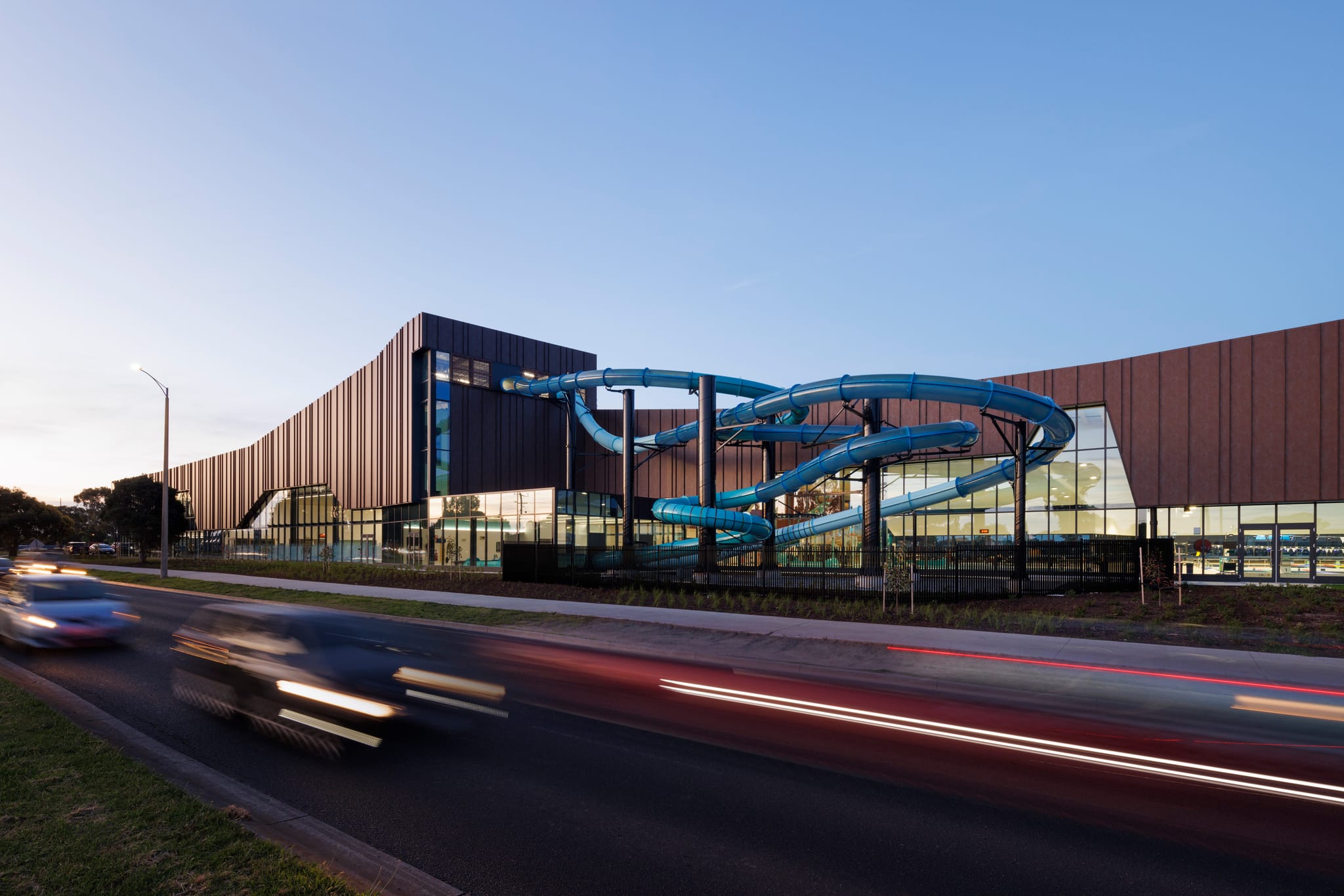
Pre-painted steel and aluminium systems such as UniCote® deliver the substrate and coating performance that underpin any compliant roofing or cladding system. Their compliance is demonstrated through:
These confirm the material’s baseline performance before it is formed or installed.
Once the material becomes part of a roofing or cladding assembly, the BCA’s requirements apply to the system, not the raw material. This is why many of our supply partners conduct additional system tests or obtain their own equivalent certification, using the verified material performance as the foundation.
Because CodeMark is voluntary, it is not mandatory for most metal roofing or cladding systems. It can become particularly valuable when:
For many conventional systems, compliance through Australian Standards–based test reports and installation documentation is entirely acceptable.
The simplest approach is to treat materials and systems as separate specification checkpoints:
Material level: Australian Standards and durability/fire testing confirm substrate performance.
System level: CodeMark or equivalent “evidence of suitability” confirms the assembly’s compliance as installed.
Both matter - but at different stages.
If you're navigating which certifications apply or how to verify system compliance, our team can guide you through the correct documentation early in the specification process. Clear direction upfront reduces risk later onsite.
Give our team a call today +61 2 9358 6100