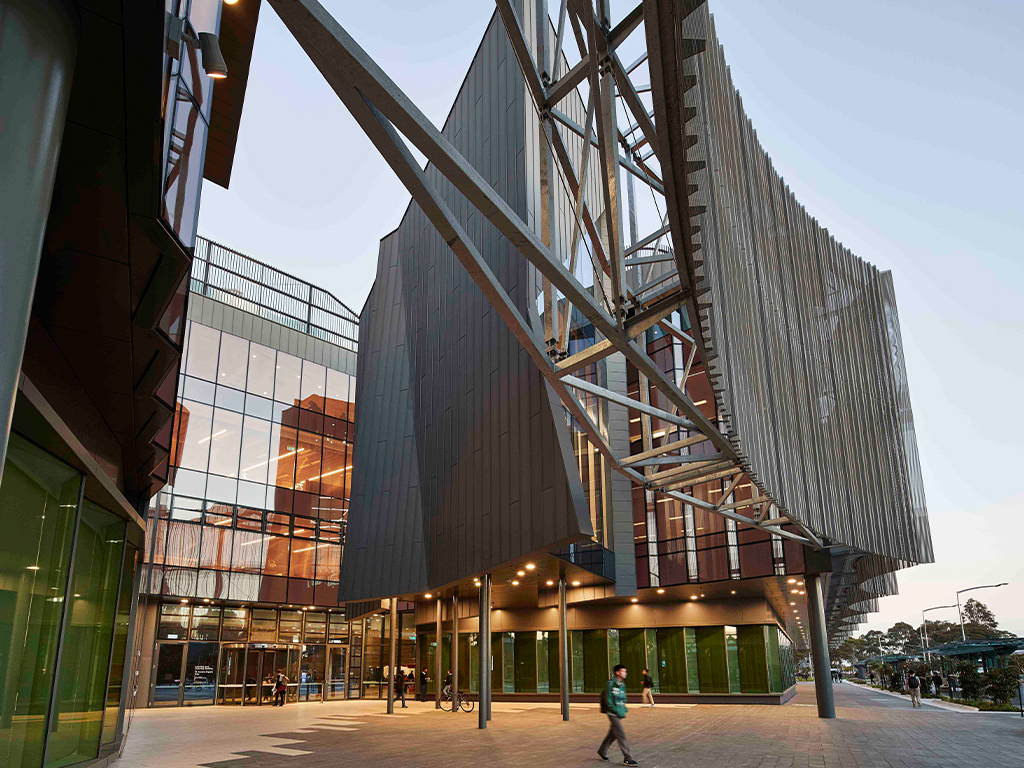
INSPIRE: Shaping the Future of Metal in Architecture
- Perspectives

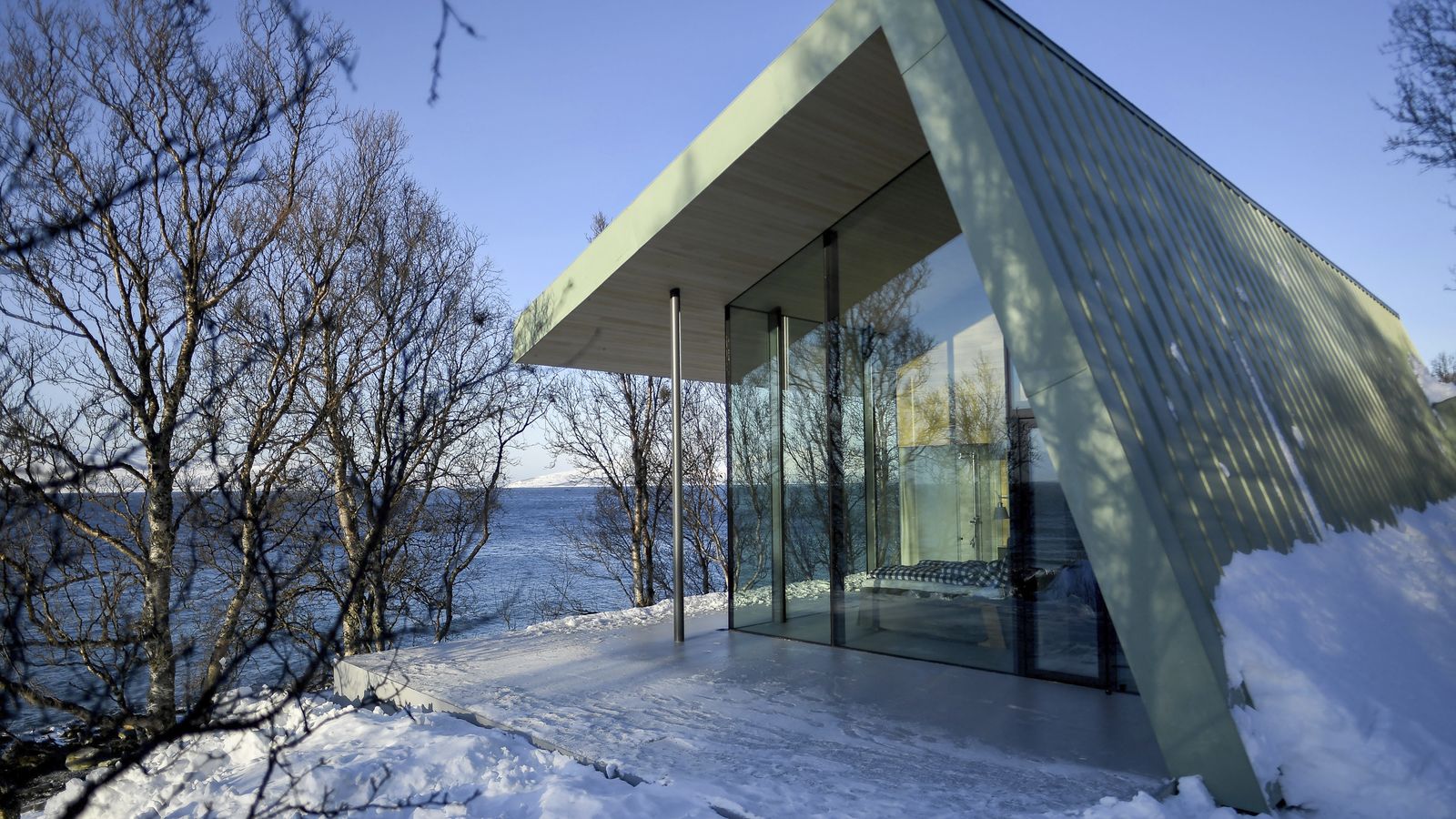
Copper has long been celebrated in architecture not only for its aesthetic appeal but also for its remarkable durability and versatility. One of the most captivating aspects of copper is the transformation it undergoes over time, resulting in the development of a copper patina. This article explores the advantages of copper patina in architectural design, highlighting its aesthetic, protective, and contextual benefits.
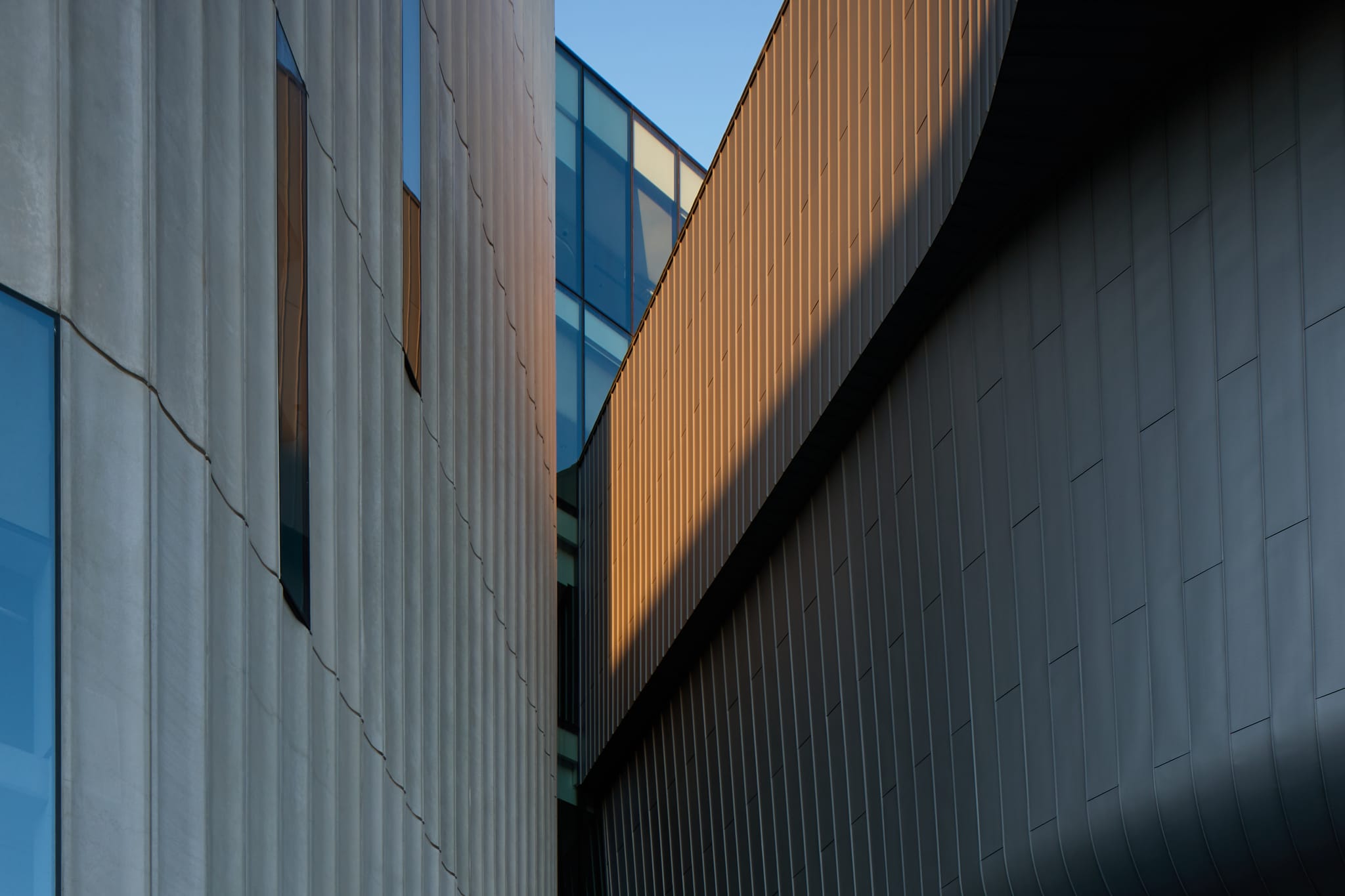
Copper patina refers to the natural oxidation process that occurs when copper is exposed to air and moisture. This process results in a range of colours from rich browns to the iconic green known as verdigris. Rather than detracting from the material's beauty, this transformation adds a layer of depth and character to architectural elements.
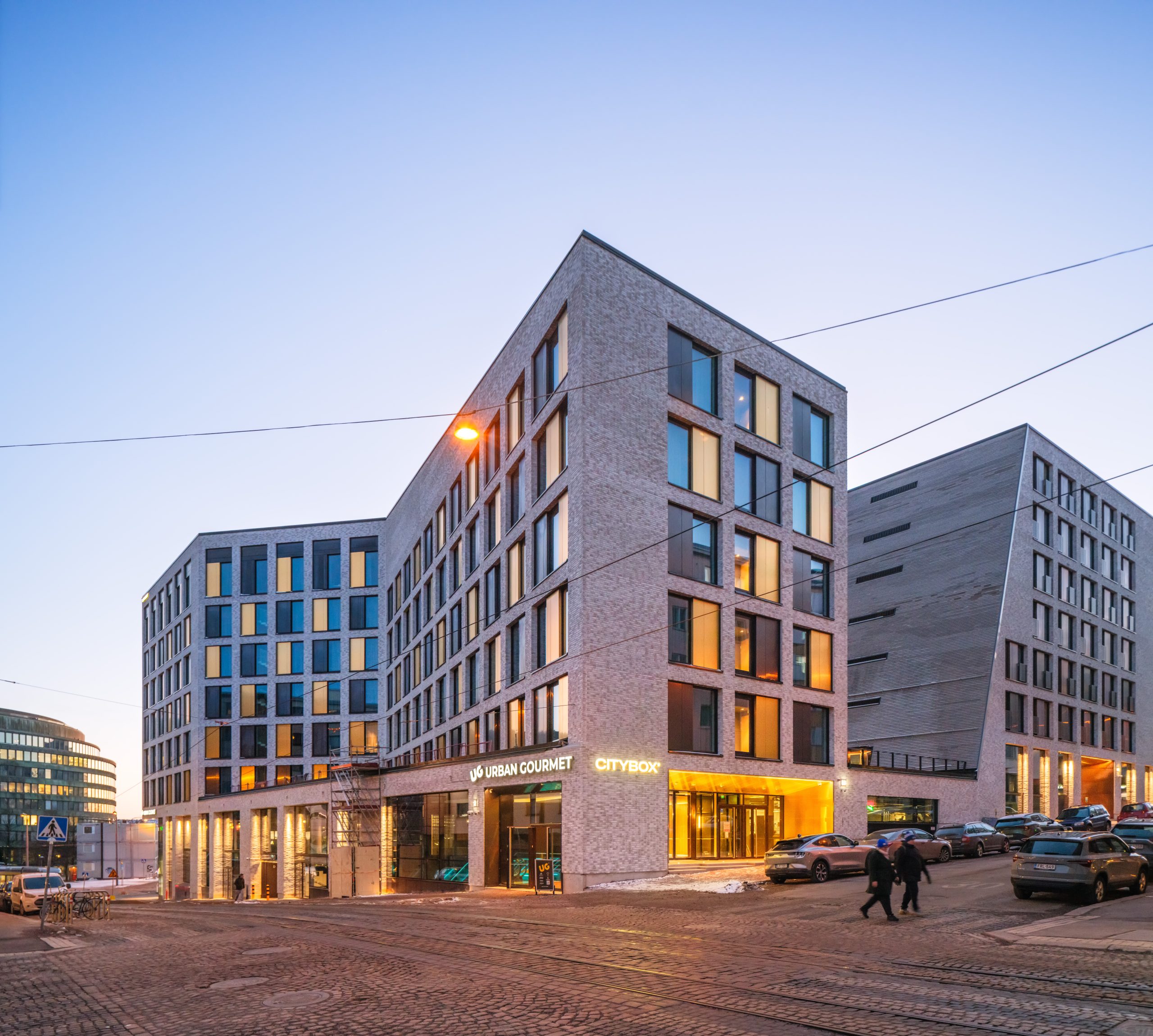
Contrary to common misconceptions, copper patina serves as a protective barrier for copper surfaces.
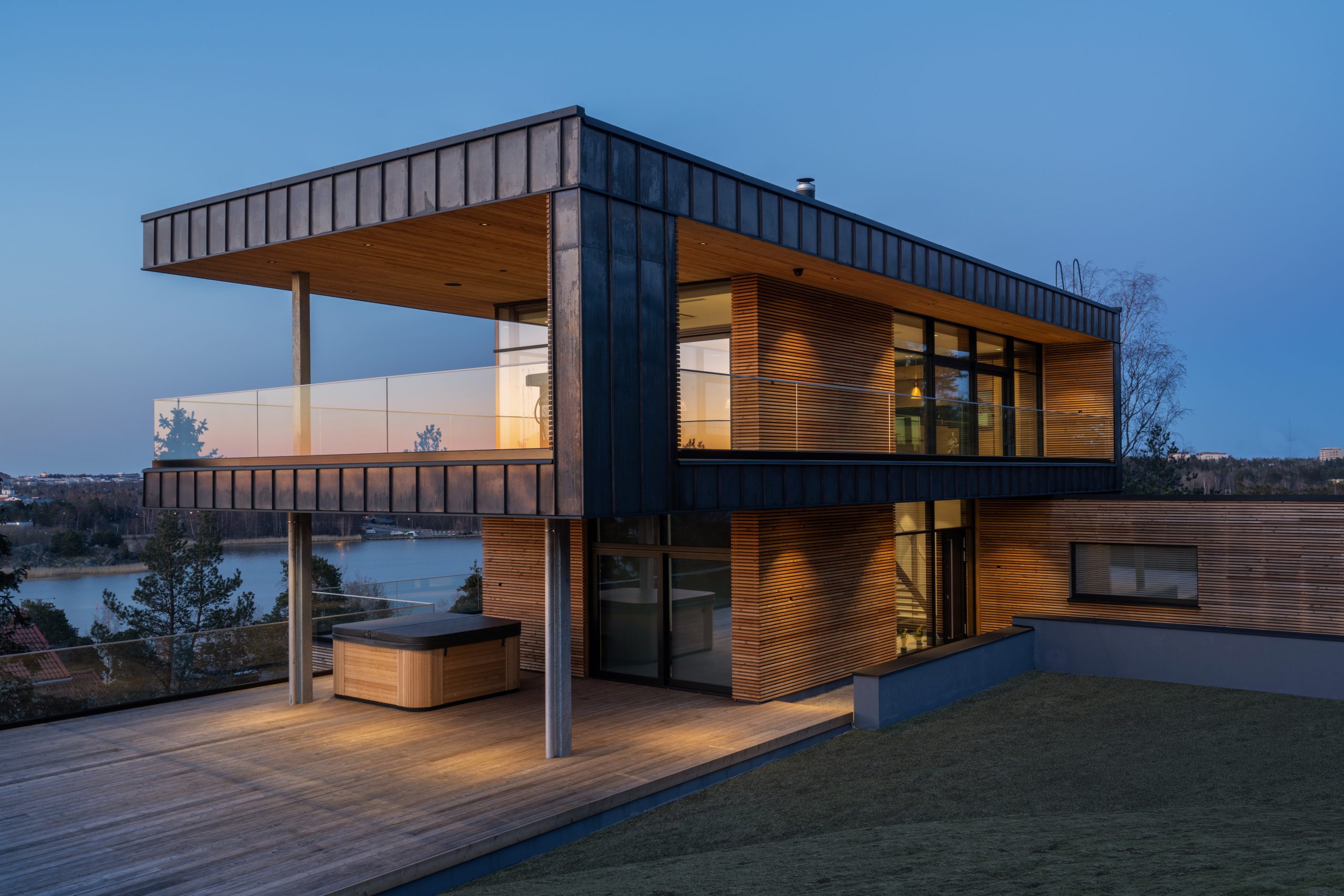
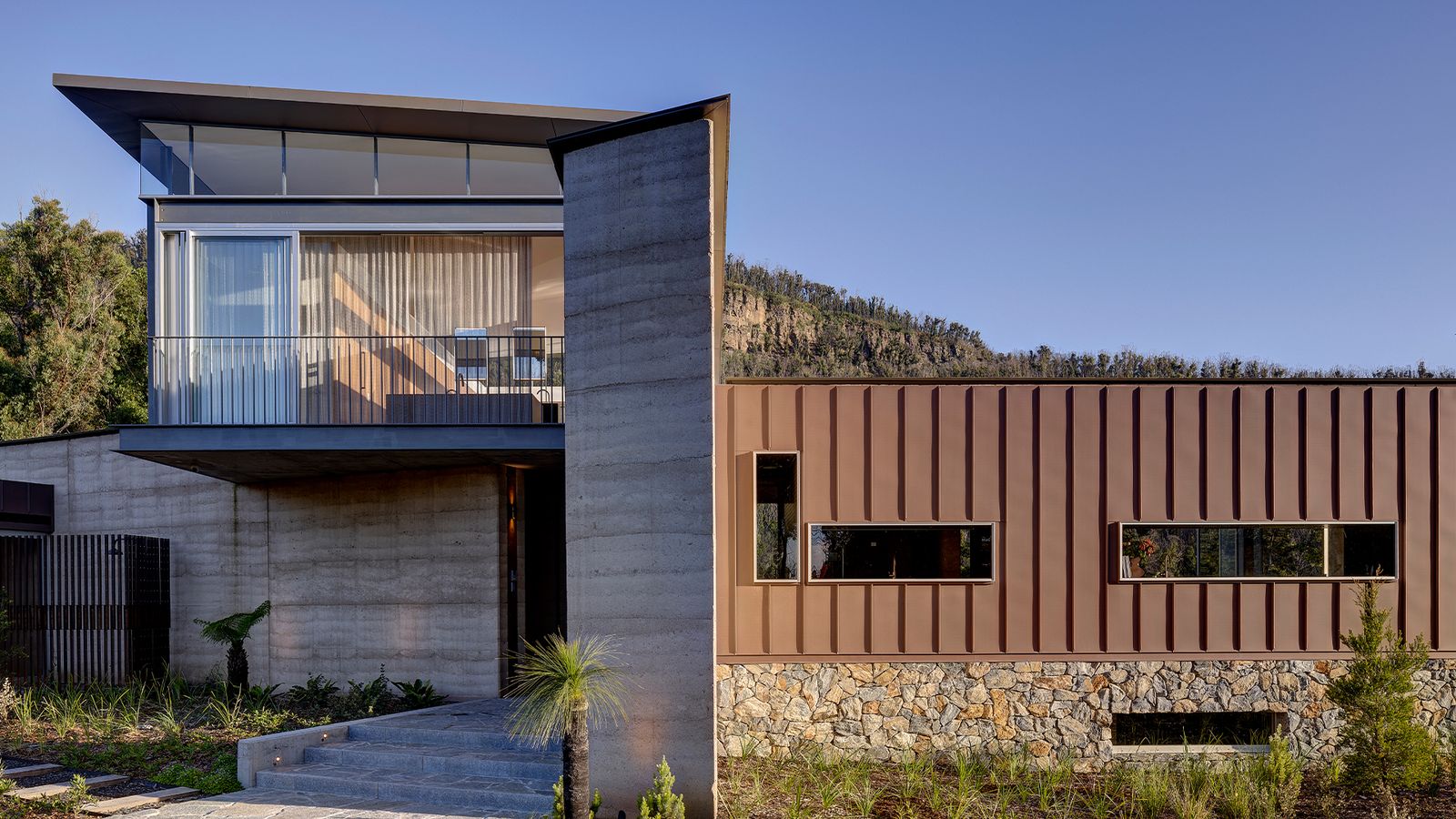
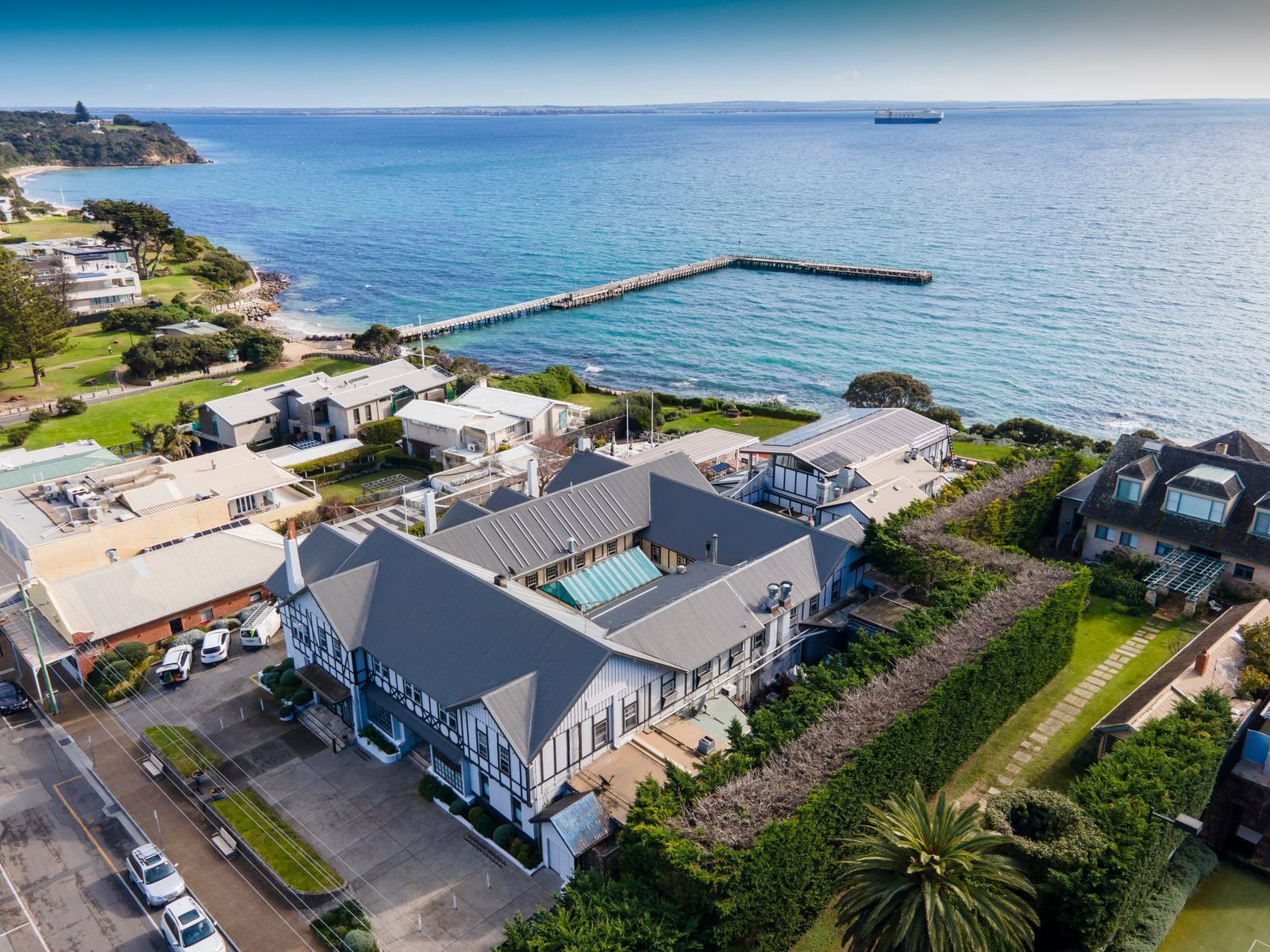
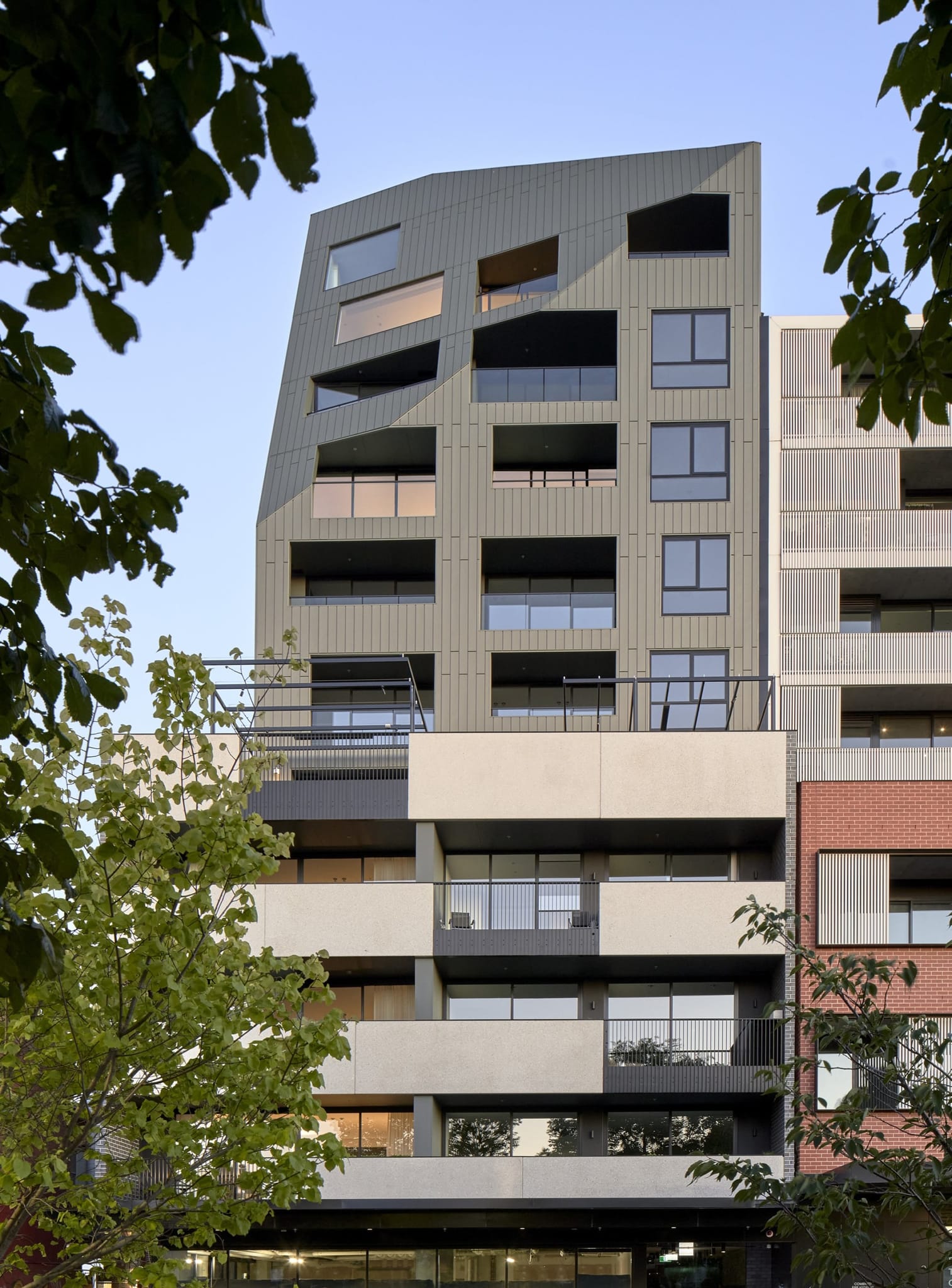
Copper's versatility allows it to be used in various architectural applications, each benefiting from its unique patina.
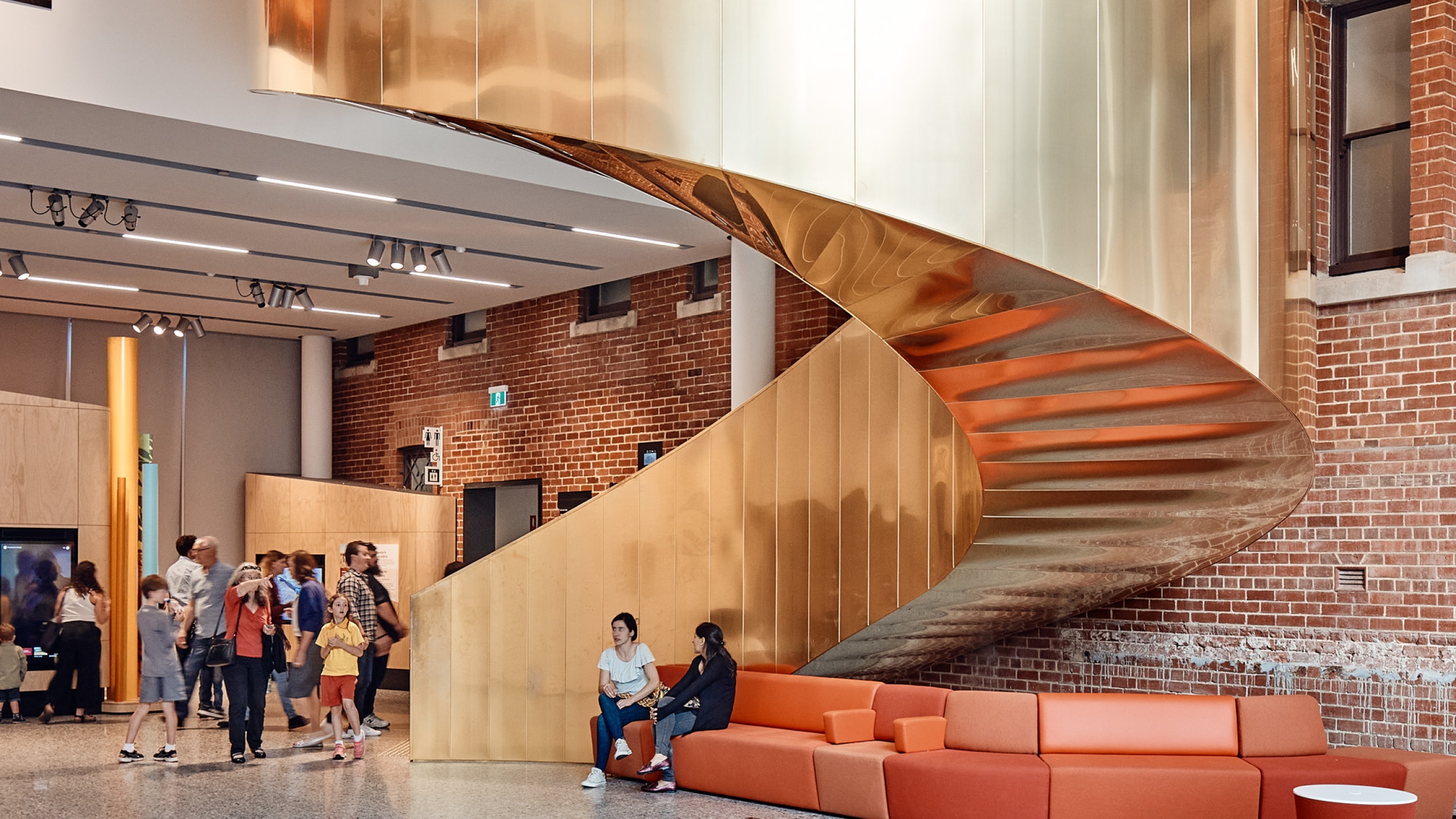
In addition to its aesthetic and functional benefits, copper is also an environmentally friendly choice for construction.
Copper's ability to transform through the development of copper patina makes it an invaluable material in architectural design. Its aesthetic appeal enriches structures with character and depth while providing protective qualities that enhance longevity and reduce maintenance needs. As architects continue to explore innovative ways to integrate copper into their designs—be it through roofing systems, cladding solutions, or decorative elements—the allure of patina will undoubtedly remain a timeless source of inspiration.
If you're considering incorporating copper into your next architectural project or renovation, contact us today! Our team at INSPIRE is ready to help you explore the possibilities that this beautiful material can offer for your designs.